
Sourcing high-quality PP toilet seats from China offers great prices and variety for your market. But with so many factories, how do you find a truly reliable, long-term partner with stable quality? Don’t worry. By following these 10 steps, you can evaluate suppliers like a professional buyer and see everything clearly.
Step 1: Check if the Company is a “Real” Factory
First, make sure you’re dealing with an actual manufacturer, not a middleman without a factory.
-
Ask for Documents: Request their Business License. Focus on the “Business Scope” section—it must include words like “manufacturing” or “production” of plastic or sanitary products. If it only says “sales” or “trading,” it’s likely just a trading company.
-
Ask About Experience: Clearly ask: “Do you have experience shipping to South America (e.g., Brazil, Chile)?” Experienced factories can quickly mention key considerations and might even show you screenshots of past shipping documents (with client info hidden).
-
Search Online: Look up the company name on platforms like Alibaba. Check for statuses like “Verified Supplier” or “Gold Supplier,” which means the platform has done some basic checks.
Step 2: See the Factory with Your Own Eyes (On-site or Video)
Seeing is believing. Looking at the production line will give you confidence.
-
Visit in Person: If possible, visit China and tour the factory. See if the machines are running, if materials and finished goods are stored neatly, and if workers operate skillfully. A well-organized factory usually has more stable quality.
-
Video Factory Tour: If you can’t travel, ask for a live video call tour. An honest factory won’t refuse. Ask them to show you the injection molding workshop, assembly line, quality inspection station, and warehouse. You can ask them to point the camera anywhere you want to see.
-
Key Questions: During the video, casually ask, “Is your production line busy now? Roughly how many seats can you produce per month?” Their answers and the scene will help you judge the factory’s scale and authenticity.
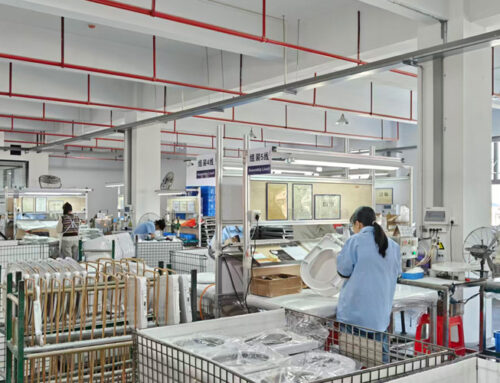
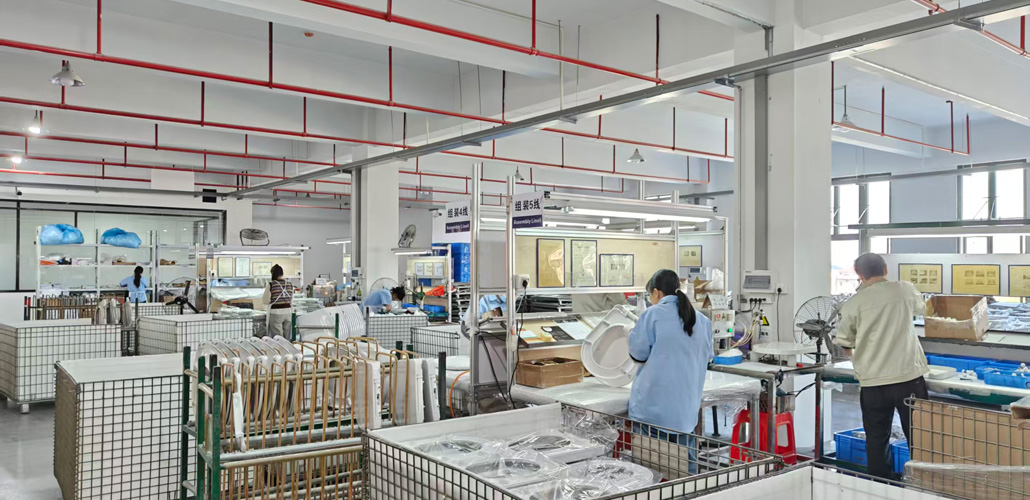
Mark: you can check the Beewill toilet seat factory photos here.
Step 3: Understand Their Technical Ability, Especially About “Molds”
Molds are the core of toilet seat production. Understanding a factory’s control over molds indicates their technical strength and responsiveness.
-
Do They Make Their Own Molds? You must ask: “Do you design and manufacture your molds in-house?” If the answer is “yes,” that’s excellent. It means they can quickly modify designs, repair molds, and have better control over quality. If they rely on external suppliers for molds, future changes will be troublesome and costly.
-
Do They Maintain Molds? Like cars, molds need regular maintenance to produce good products. Ask how often they maintain their molds. Poorly maintained molds can produce seats with burrs, short shots, or incorrect dimensions.
-
Request a Sample: Ask them to provide a sample of an existing product. Observe how fast they make the sample, the cost, and the quality of the sample itself. This is the most direct way to test their cooperation attitude and technical level.
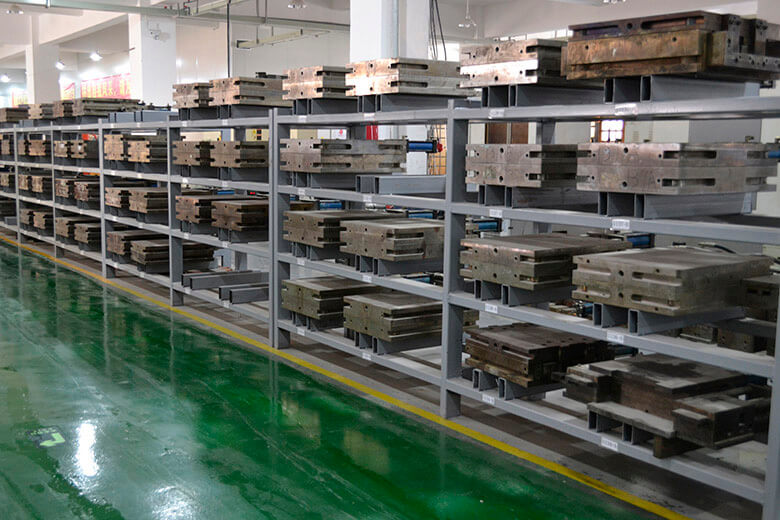
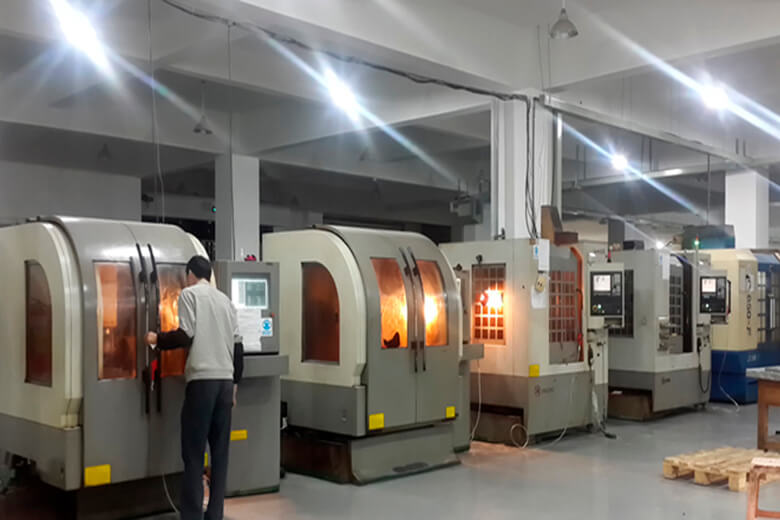
Mark: Beewill has our own tooling factory. Below are the photos of our toilet seat molds and tooling factory.
Step 4: Find Out if Their “Plastic Raw Material” is Good
The durability and color-fastness of a toilet seat depend entirely on the quality of the PP plastic used.
-
Ask for the “Material Test Report”: Request the “Material Data Sheet” for the PP resin pellets they use. Good toilet seats typically use “impact-resistant copolymer PP,” which is more durable and less prone to cracking.
-
Where Does the Material Come From? Ask which major company supplies their plastic (e.g., well-known brands like Sinopec, PetroChina). Factories using raw materials from major brands offer more quality assurance. Be cautious of suppliers who cannot clarify the source or heavily promote “recycled material” unless it’s your specific requirement and they clearly state it.
-
See for Yourself: During a factory tour, ask to see the raw material warehouse and check the labels on the plastic bags.
Step 5: See How They “Check Quality”
A good factory finds and fixes problems during the production process, not just by sorting out defective products at the end.
-
Are There Checks During Production? Ask them: “Do workers check the items they make during the process? Are there dedicated quality inspectors doing patrols?” This “in-process inspection” can catch most issues early.
-
How Do They Check Before Shipping? Ask about their final pre-shipment inspection. A proper factory will have a “Final Inspection Checklist” detailing what to check: measuring dimensions, checking appearance for scratches, testing the seat’s opening and closing function.
-
Do They Have Testing Tools? Ask if they have basic testing equipment. For example, do they have a tool to test the durability of the hinges? Do they use color charts to ensure color consistency between batches? Factories with these tools care more about quality data.
Mark: You can learn about Beewill’s quality control system here.
Step 6: Verify Certificates, Don’t Just Take Their Word for It
Certificates are the “ID cards” of a factory’s strength and standardization, but you need to see the originals.
-
Basic Management Certificate: The most fundamental is a valid ISO 9001 Quality Management System certification. Having this shows the factory manages its processes systematically.
-
Product Safety Certificates: Depending on your target market, check if the product has relevant certifications. For example, if considering Brazil, ask if they are familiar with INMETRO certification. Common international certifications include CE (Europe), UPC/CSA (North America). These indicate the product has been tested and meets safety standards.
-
See the Certificate Original: Ask them to provide a scanned copy or clear photo of the certificate. You can often verify the certificate number on the issuing organization’s website. Don’t just rely on a salesperson saying “we are certified.”
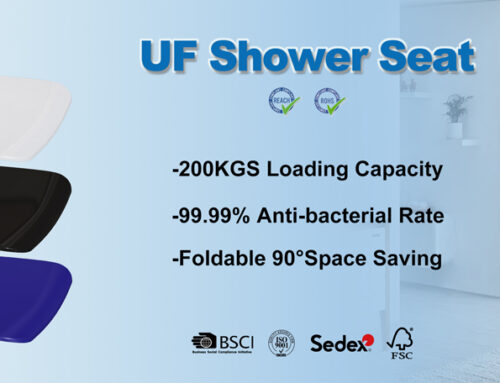
Mark: You can learn about Beewill’s certificates here.
Step 7: Pay Attention to “Packaging” and “How to Ship”
Packaging determines whether your goods arrive intact or damaged after long-distance sea freight.
-
Look at the Packaging Method: Ask them to show you pictures of the standard export packaging. Good packaging is usually: seat in a PE plastic bag -> foam or cardboard corner protectors -> individual cardboard box -> sturdy master carton. Ask about the “bursting strength” of the master carton.
-
Discuss Shipping Details: Talk to them about whether FOB (you arrange shipping) or CIF (they arrange to the port) is better for you. A professional supplier can clearly tell you how many seats fit in a container and calculate accurate volume and weight.
-
Export Documents: Confirm they can provide a full set of export documents: Commercial Invoice, Packing List, Bill of Lading, Certificate of Origin. These are essential for your customs clearance.
Step 8: Gauge if Communication is “Professional and Smooth”
Smooth communication is vital in business.
-
Are Responses Quick and Clear? Observe their email response speed and whether their answers are direct and clear. Can they quickly provide requested documents (like certificates, photos)?
-
Language and Technical Communication: Assess the English communication skills of their sales and follow-up staff. Can they understand your technical drawings? Can they explain product details clearly? Do they have CAD drawings of their products?
-
Problem-Solving Ability: You can test them with a hypothetical question, like “If we find some scratched seats upon arrival at our port, how would you usually handle it?” Their response will show you their attitude toward after-sales service and responsibility.
Step 9: Ask About Their “Reputation”
Hearing from other clients is better than guessing yourself.
-
Ask for Client References: You can ask them to provide contact information for 1-2 clients in other countries (they may need the client’s permission first). A factory with a good reputation will have old clients willing to vouch for them.
-
Search for Reviews Online: Google the factory’s name to see if they’ve been discussed in independent industry forums or if they have an official LinkedIn page. Look for any negative reviews or complaints.
Step 10: Get Everything in Writing: Clarify “Price and Terms”
The final step is to put everything agreed upon into a contract to protect both parties.
-
Detailed Quotation: Their Proforma Invoice (PI) should clearly state: unit price, how mold costs are calculated, whether packaging is included, payment terms (e.g., 30% deposit, 70% against Bill of Lading copy), and delivery time.
-
Sign a Formal Contract: Don’t rely solely on a PI as a contract. You must sign a formal Sales Contract in English. The contract should specify product specifications, quality standards, inspection rights, delivery terms, payment schedule, warranty/liability, and force majeure. For large orders, consider consulting a lawyer familiar with China trade.
-
Protect Your Design: If you are providing the design or logo, ensure the contract includes “Intellectual Property Protection” and “Non-Disclosure” clauses to prevent them from using your design for other clients.
Conclusion
Finding a reliable PP toilet seat supplier in China is like conducting a thorough “investigation.” As long as you take the time to follow these 10 verification steps—from checking if the company is real and seeing the factory, to understanding their technology, quality, packaging, and communication, and finally putting everything in a contract—you will significantly reduce your risks. Spending more time on homework upfront leads to a worry-free and long-lasting partnership later. Remember, your goal isn’t to find a temporary seller, but a trustworthy long-term manufacturing partner.
Contact with Beewill Sales Team

Hi, I’m Shiny from Beewill Sanitary. Contact me to start your project here.